
본문
Understanding the Goethe B1 Exam: What You Need to Know
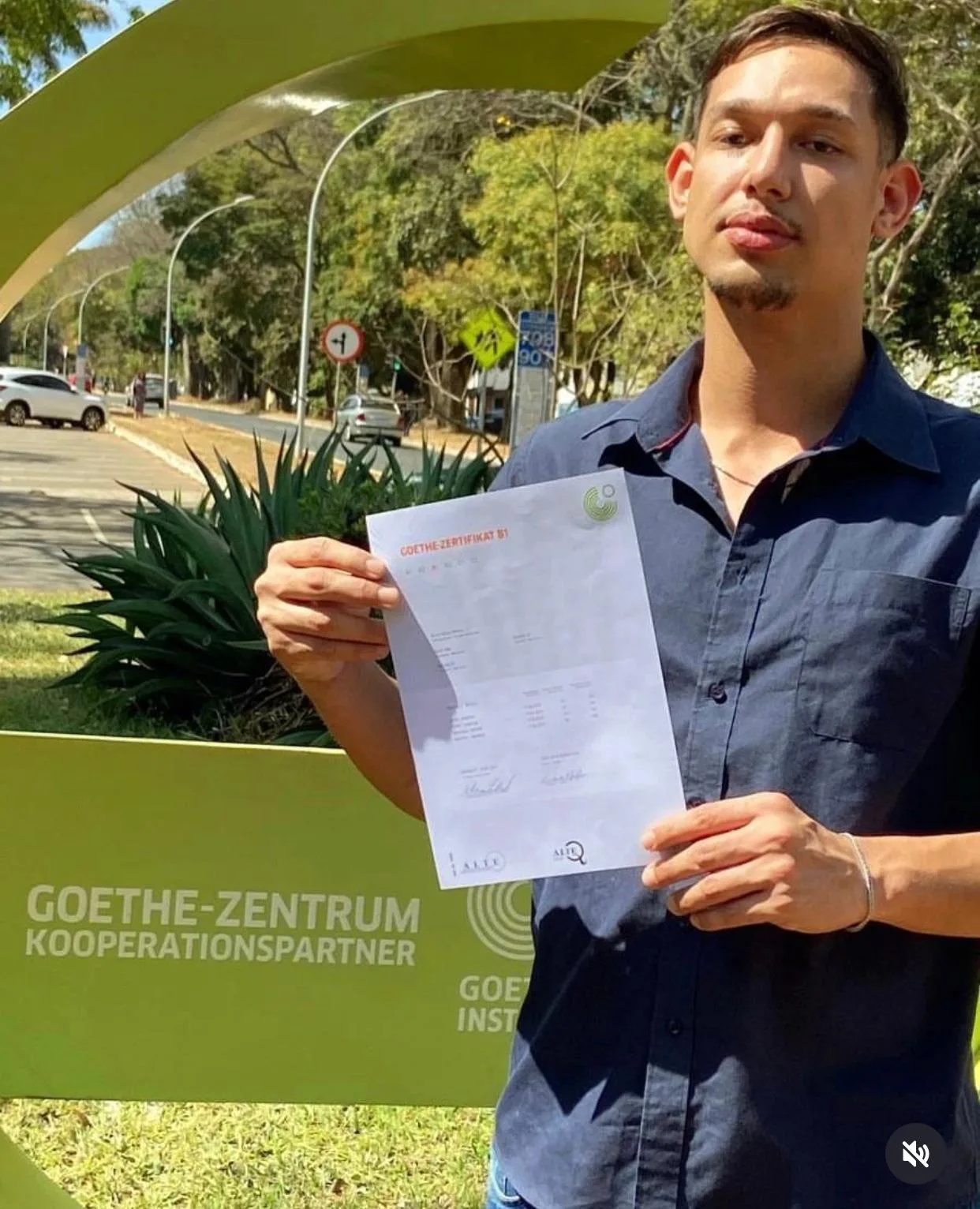
The Goethe B1 Exam serves as an important stepping stone for people desiring show their efficiency in the German language. As part of the globally acknowledged Goethe-Institut certification system, the B1 level assessment confirms that a candidate has attained an intermediate level of German, which is needed for much better combination into the German-speaking world. In this blog site post, we'll look into the specifics of the Goethe B1 Exam, including its structure, preparation suggestions, and best resources to assist prospects succeed.
What is the Goethe B1 Exam?
The Goethe B1 Exam is designed for those who have basic understanding of the German language and wish to enhance their abilities. It checks prospects on their capability to understand, speak, check out, and write in German at an intermediate level. Passing this exam shows that the individual can managing everyday conversation and composed communication in German, making it a vital credentials for numerous academic and professional opportunities.
Structure of the B1 Exam
The Goethe B1 Exam includes four elements: Reading, Listening, Writing, and Speaking. Each of these sections assesses particular language abilities and adds to the final score. Below is a breakdown of each component:
| Component | Duration | Description | Points Available |
|---|---|---|---|
| Checking out | 65 minutes | Prospects read different texts and address comprehension questions | 25 points |
| Listening | 40 minutes | Candidates listen to discussions or monologues and answer questions | 25 points |
| Composing | 60 minutes | Candidates write a short text, such as a letter or e-mail | 25 points |
| Speaking | 15 minutes | Prospects engage in a discussion with an inspector | 25 points |
Total: 100 points
Checking out Section
This area evaluates the ability to understand written texts such as posts, brochures, and instructions. Test-takers require to demonstrate their capability to identify the main points, specific info, and indicated meanings.
Listening Section
In the Listening section, prospects are exposed to various audio formats consisting of discussions, announcements, and lectures. They should likewise respond to questions that test their understanding of the spoken content.
Writing Section
Test-takers compose a meaningful text, typically in the kind of a letter or email. This examines not just their writing skills but likewise their ability to reveal thoughts and sensations appropriately.
Speaking Section
Prospects participate in a conversation with an inspector that covers familiar topics. This area tests fluency, pronunciation, and the ability to use the language actively.
Preparation Strategies
Getting ready for the Goethe B1 Exam can be an enriching experience. Here are some efficient methods to boost your readiness:
Enroll in Preparation Courses: Many language schools offer specialized classes tailored for B1 exam preparation. These structured environments supply skilled instructors and targeted learning resources.
Usage Official Preparation Materials: The Goethe-Institut offers sample documents and Deutsches Sprachdiplom official exam preparation books for the B1 level. Engaging with these products helps familiarize candidates with the exam format.
Practice with Native Speakers: Regular conversations with native German speakers can greatly enhance listening and speaking abilities. Language exchange programs can provide valuable practice opportunities.
Engage with German Media: Watching films, listening to music, or checking out books in German can enhance vocabulary and understanding abilities. Go for materials that match the B1 level for optimal benefits.
Mock Exams: Taking practice exams under timed conditions can ease anxiety and fine-tune time management skills for the real test.
Best Resources for B1 Exam Preparation
Here are a few of the most valuable resources that prospects can utilize to prepare for the Goethe B1 Exam:
Goethe-Institut Website: The official site provides resources consisting of sample tests, preparation tips, and information about test centers.
B1 Preparation Books: Books titled "Fit fürs Goethe-Zertifikat B1" are specifically developed to help trainees prosper on the exam.
Online Practice Platforms: Websites such as Duolingo, Babbel, or the German language section on Memrise provide interactive learning experiences that are efficient for exam preparation.
YouTube Channels: Search for channels devoted to learning German. Many teachers supply ideas specifically for the B1 level.
| Resource Type | Description | Example/Links |
|---|---|---|
| Official Website | Exam information and sample tests | Goethe-Institut |
| Preparation Books | Targeted study products | "Fit fürs Goethe-Zertifikat B1" |
| Online Platforms | Interactive language lessons | Duolingo, Babbel |
| Social Media | Tips and tutorials from language enthusiasts | YouTube channels devoted to German -> > e.g., Learn German with Anja |
Regularly Asked Questions (FAQs)
1. How is the B1 Exam graded?
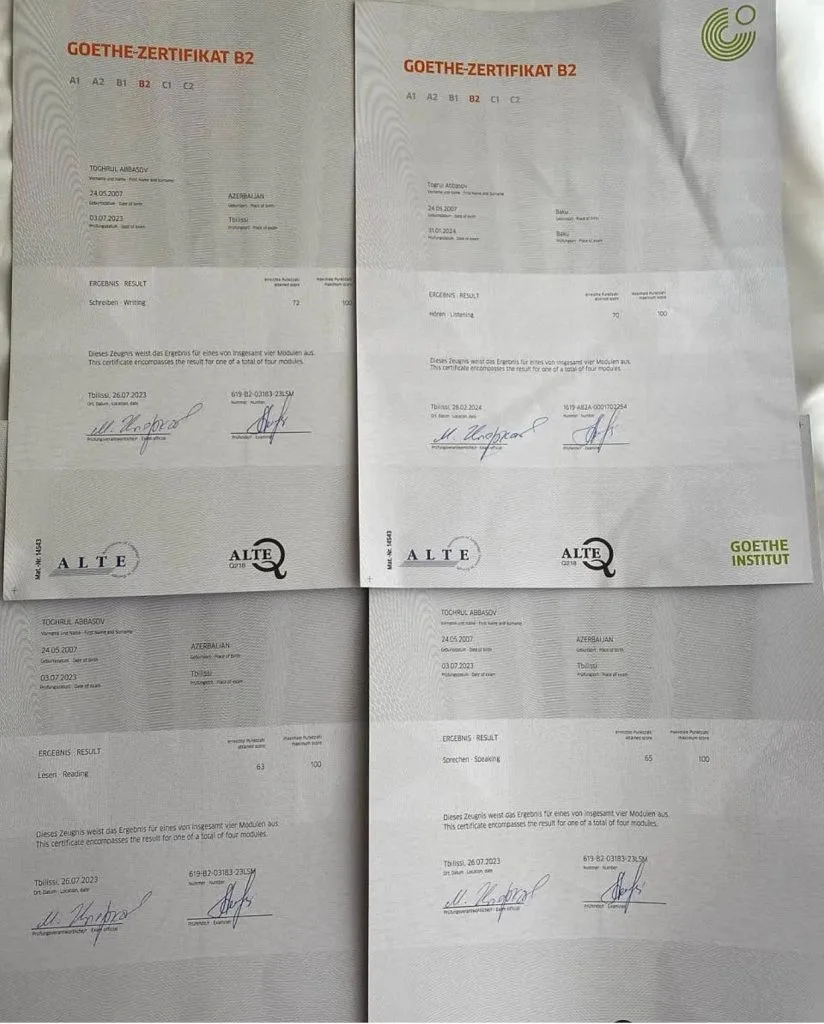
The exam is graded on a scale of 0 to 100 points, with a minimum rating of 60 points needed to pass. Each section contributes similarly to the overall rating.
2. What materials are permitted throughout the exam?
Candidates are not allowed to utilize any products such as notes, dictionaries, or electronic devices during the exam.
3. How long is the B1 certificate valid?
The Goethe B1 certificate does not expire; however, it is suggested to retake the exam if there has actually been a considerable space without practicing the language.
4. Where can I take the exam?
The Goethe B1 Exam is provided at different Goethe-Institut locations worldwide. You can find a testing center near you through their official website.
5. Can I retake the exam if I don't pass?
Yes, prospects can pick to retake the B1 Exam as often times as needed up until they achieve a passing score.
The Goethe B1 Exam is not simply an assessment; it is an entrance to higher chances for anybody looking to master the German language in an academic or professional context. With extensive preparation making use of various resources and methods, candidates can place themselves for success. The crucial to passing lies in devotion, practice, and a proactive technique to immersing oneself in the language. By taking this essential step, candidates can pave the method for their future in German-speaking environments.