
본문
Comprehensive Guide to Residential Window Installation
Residential window installation is a significant consideration for homeowners aiming to enhance the performance and aesthetics of their homes. Windows play a crucial role in energy performance, security, and comfort and can drastically impact the overall worth of a home. Whether setting up new windows in a recently built home or replacing old windows in an existing home, comprehending the process can ensure that the installation is finished efficiently and effectively.
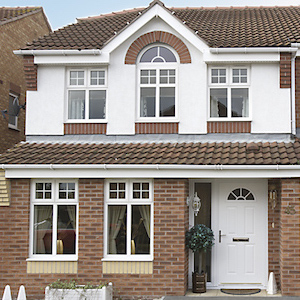
Advantages of Residential Window Installation
Before diving into the installation procedure, it is beneficial to comprehend the numerous advantages brand-new window installations use:
- Increased Energy Efficiency: Modern windows are developed to offer much better insulation, resulting in minimized heating & cooling costs.
- Enhanced Aesthetics: New windows can enhance the curb appeal of a home, making it more attractive to prospective purchasers.
- Enhanced Security: Updated windows frequently come with much better locking systems and tougher products, improving home security.
- Noise Reduction: Newer Quick Window Installer designs can assist reduce outdoor sound, developing a more tranquil indoor environment.
- UV Protection: Modern windows typically consist of coverings that safeguard furnishings and flooring from damaging ultraviolet (UV) rays.
Types of Residential Windows
There are numerous kinds of residential windows readily available, each offering distinct benefits. Below is a detailed list of common window styles:
- Double-Hung Windows: Feature 2 vertically sliding sashes, permitting ventilation from the top or bottom.
- Casement Window Installation Windows: Hinged on the side and open outward, offering exceptional ventilation.
- Slider Windows: Operate horizontally and are simple to open, making them appropriate for bigger openings.
- Awning Windows: Hinged on top and open external, offering ventilation even during rain.
- Bay and Bow Windows: Project outward from the home, developing additional interior area and breathtaking views.
- Image Windows: Large, fixed windows that do not open, perfect for catching views.
Table 1: Comparison of Window Types
| Window Type | Ventilation | Energy Efficiency | Aesthetic appeals | Maintenance |
|---|---|---|---|---|
| Double-Hung | Yes | Moderate | Timeless | Moderate |
| Casement | Exceptional | High | Modern | Low |
| Slider | Moderate | Moderate | Sleek | Low |
| Awning | Excellent | High | Elegant | Low |
| Bay/Bow | Minimal | High | Significant | Moderate |
| Picture | No | High | Classy | Low |
The Installation Process
Installing windows can be a complicated job requiring cautious planning and execution. Here is a step-by-step introduction of the installation process:
1. Preparation and Measurements
- Select Window Style: Choose the window type based upon your requirements, looks, and budget.
- Procedure Window Openings: Accurate measurements are essential for guaranteeing an appropriate fit. A professional installer typically takes this step to prevent errors.
2. Elimination of Old Windows
- Prepare the Area: Clear any furnishings or obstacles near the window's installation website.
- Careful Removal: Safely get rid of old windows, taking care not to damage surrounding structures.
3. Installation of New Windows
- Insert the New Window Installation Specialist: Place the brand-new window into the opening and ensure it is level.
- Secure it: Fasten the window frame using screws or nails, following producer standards.
- Insulate: Add insulation to close gaps around the window frame to prevent drafts.
- Seal: Apply caulking to produce a water resistant seal in between the Quick Window Installer and the frame.
4. Completing Touches
- Install Trim: Add window casing or cut for visual appeals.
- Last Inspection: Check for any gaps, leaks, or positioning issues.
- Tidy up: Remove any debris and tidy the brand-new window.
5. Post-Installation Care
Following installation, homeowners need to follow basic maintenance suggestions to make the most of the durability of their brand-new windows. Routine cleansing, evaluation for damage, and timely caulking will help preserve effectiveness and visual appeals.
Frequently Asked Questions (FAQs)
1. The length of time does window installation take?
The time required for window installation can differ based on the number of windows being installed and the complexity of the task. Normally, it can take anywhere from a couple of hours to a couple of days.
2. Do I require an authorization for window installation?
In numerous areas, a permit is required for window installation, particularly if the job includes structural modifications. It's suggested to inspect local guidelines.
3. How do I understand if I need to change my windows?
Indications that might show the need for replacement include drafts, problem opening or closing the windows, cracked or rotting frames, and high energy bills.
4. What should I anticipate during the installation procedure?
Property owners can anticipate some noise and disturbance during the installation procedure. Nevertheless, professional installers normally intend to reduce hassle.
5. Can I set up windows myself?
While DIY installation is possible, hiring a professional is recommended for proper fitting, insulation, and sealing, specifically given the investment involved.
Residential Window Installation (Demilked.Com) is a crucial home improvement procedure that provides various benefits, consisting of boosting energy performance, security, and looks. Comprehending the different kinds of windows and the steps associated with the installation process empowers homeowners to make informed choices. Whether tackling this job personally or working with specialists, correct preparation and attention to detail can ensure an effective outcome, ultimately elevating the comfort and value of the home.
- 이전글What Freud Can Teach Us About Key Fob Porsche 25.12.24
- 다음글17 Signs You Are Working With Top Rated Washer Dryer 25.12.24