
본문
Embracing Innovation: The Rise of Shipping Container Cabins
Over the last few years, the trend of utilizing shipping containers as living areas has gained considerable traction. As soon as thought about simple storage units, these steel boxes are being transformed into distinct and functional cabins that match a range of requirements, from villa to full-time homes. This blog site post aims to delve into the principle of shipping container cabins, exploring their advantages, challenges, and viability for numerous lifestyles.
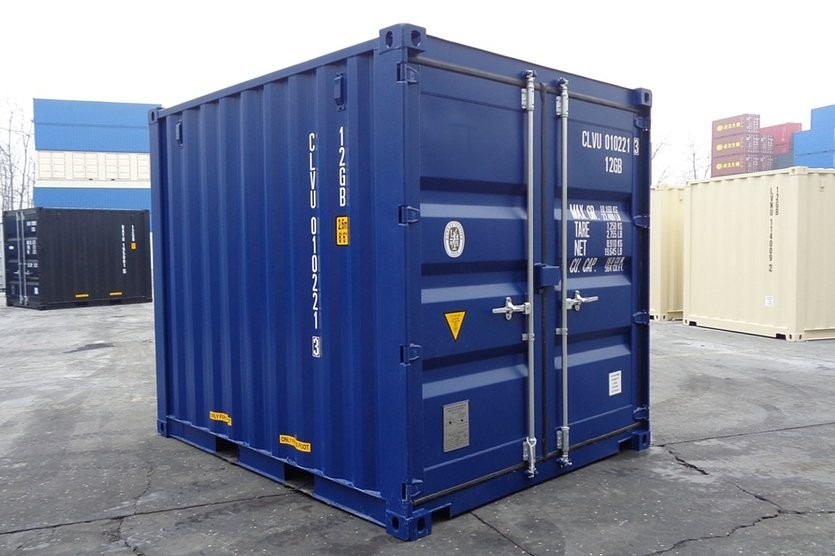
What is a Shipping Container Cabin?
A shipping container cabin is a property structure made from one or more shipping containers. These containers are repurposed to produce habitable spaces, including vital facilities such as kitchen areas, restrooms, and living locations. The usage of shipping containers in construction has amassed praise for its price, sustainability, and versatility.
Advantages of Shipping Container Cabins
Shipping container cabins feature a myriad of benefits. Below is an extensive list describing the chief benefits:
| Advantages | Description |
|---|---|
| Price | The cost of acquiring and transforming a shipping container is generally lower than conventional construction approaches. |
| Sustainability | Recycling shipping containers is an environmentally friendly choice that minimizes waste and reduces the carbon footprint associated with new structure materials. |
| Sturdiness | Shipping containers are created to endure harsh climate condition, making them robust and long-lasting structures. |
| Flexibility and Modularity | Multiple containers can be integrated in various methods to produce varied designs, providing flexibility in design. |
| Quick Construction | Structure with containers can considerably accelerate the construction process due to prefabrication. |
| Unique Aesthetic | The industrial style of shipping containers offers a special and contemporary appeal that draws in many property owners. |
Disadvantages of Shipping Container Cabins
While shipping container cabins have numerous benefits, there are likewise challenges and obstacles to consider:
| Disadvantages | Description |
|---|---|
| Insulation Challenges | Metal containers can be tough to insulate effectively, impacting energy effectiveness. |
| Permitting Issues | Regional zoning laws and building codes might inhibit or make complex the construction procedure. |
| Limited Interior Space | While numerous containers can be integrated, the interior area may still feel minimal compared to standard homes. |
| Rust and Corrosion | Without proper upkeep, shipping containers can end up being vulnerable to rust, especially in humid environments. |
| Resale Value Concerns | Some purchasers might be reluctant to acquire a container cabin, potentially impacting resale worth. |
Key Features of Shipping Container Cabins
When designing a shipping container cabin, a number of essential functions must be considered to enhance livability and comfort. Here's a list of advised features:
- Proper Insulation: Utilize spray foam or other forms of insulation to control temperature.
- Ventilation: Install windows and ventilation systems to make sure proper air flow.
- Utilities Access: Ensure simple access to water, electrical energy, and sewer system.
- Interior decoration: Use multifunctional furnishings and clever design solutions to take full advantage of space.
- Outside Space: Plan for extra outdoor locations such as decks or outdoor patios for relaxation.
Typical Uses for Shipping Container Cabins
Shipping container cabins can serve different purposes, making them a flexible choice for several lifestyles:
- Vacation Homes: Ideal for short-term vacations, shipping container cabins can be put in picturesque settings.
- Residential Homes: For those looking for inexpensive housing solutions, shipping container cabins can offer a full-time home.
- Guest Houses: Extra living area can be constructed in gardens or backyards to accommodate visiting friends or household.
- Home Offices: A container cabin can be transformed into a peaceful workspace, different from the primary living area.
- Mobile Living: With wheels or transport options, they can be moved as required, interesting a nomadic way of life.
Regularly Asked Questions (FAQ)
1. Are shipping container cabins habitable year-round?
Yes, with proper insulation, heating, and cooling systems, shipping container cabins can be comfy and habitable throughout the year.
2. Do I require unique permits to construct a shipping container cabin?
Permitting requirements vary by location. It's necessary to examine local building regulations and zoning policies before commencing any construction.
3. How much does it cost to develop a shipping container cabin?
The cost can differ widely, normally ranging from ₤ 10,000 to ₤ 50,000, depending on size, design, and location. Additional costs consist of land purchase, allows, and energies.
4. How can I decorate a shipping container cabin?
Using multifunctional furnishings, brilliant colors, and creative storage solutions can boost the visual of a shipping container cabin. Including plants and art work can also make the area feel homier.
5. Are shipping containers eco-friendly?
Yes, repurposing shipping containers minimizes waste and promotes sustainability. They can also be developed to utilize green innovations, such as solar panels, for energy performance.
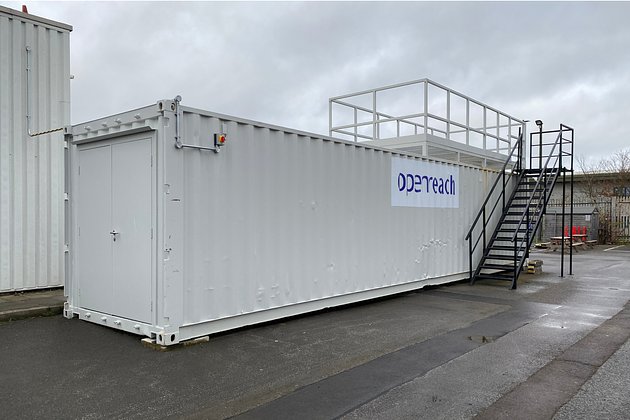
Shipping container cabins represent a pioneering technique to modern-day housing, combining functionality and design while promoting sustainability. Their growing popularity reflects a shift in the housing market towards more budget friendly, versatile living options. Nevertheless, people considering a shipping container cabin ought to be mindful of both the advantages and obstacles included. With cautious preparation and creativity, shipping container cabins can become not simply homes, but declarations of development and modern living.
In summary, shipping container cabins bring a fresh viewpoint to domestic construction, making them an increasingly popular option for those looking to adopt a minimalist yet practical way of life. As the market continues to progress, the capacity for shipping container cabins will only broaden, verifying their location in the future of housing.